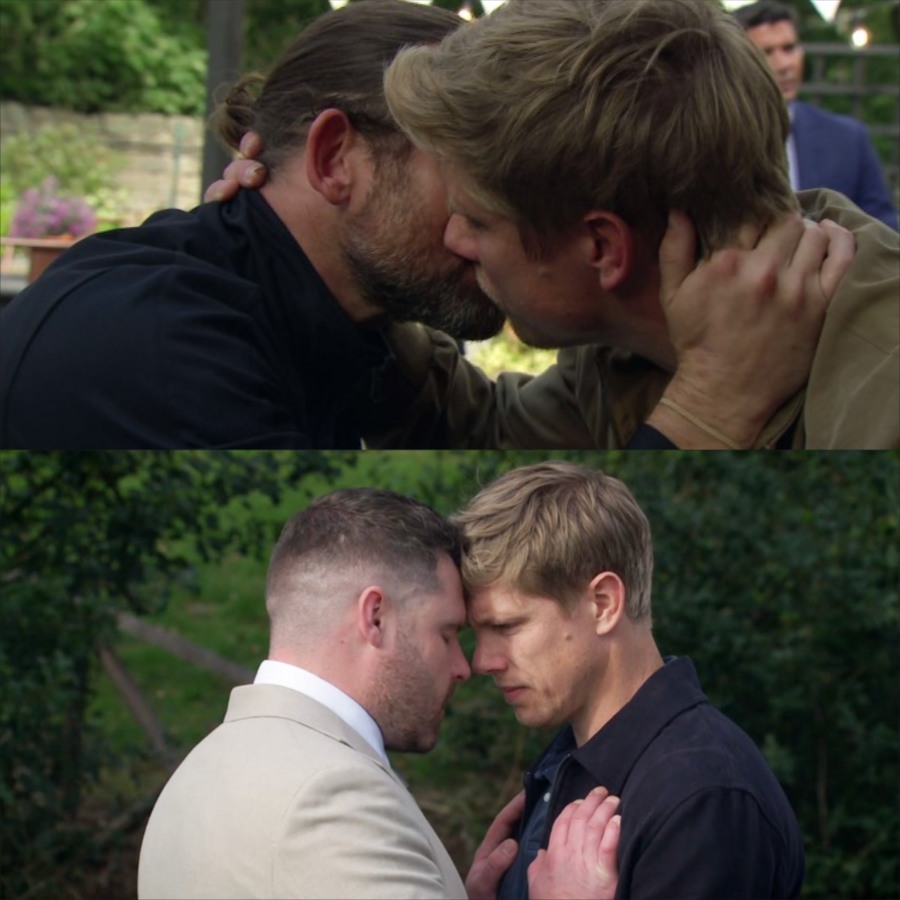
Aaron loses control, smashing the wedding photo of Kev and Robert — as Chas screams: “Don’t let the past kill you again!”

**Meta Description:**
In a gripping turn of events, Aaron loses control and shatters the wedding photo of Kev and Robert, igniting a whirlwind of emotions. As Chas desperately pleads, “Don’t let the past kill you again!” this article delves into the complexities of unresolved trauma and the impact of the past on present relationships. Explore the intricate dynamics of love, loss, and healing in this compelling narrative.
Aaron Loses Control: The Shattering Moment in Kev and Robert’s Wedding Photo
In the heart of a bustling town, where love stories often intertwine with heartbreak, a pivotal moment unfolds that leaves everyone reeling. Aaron, a character burdened by his past, finds himself at a crossroads, unable to cope with the memories that haunt him. The incident occurs during what should have been a joyous celebration of love—Kev and Robert’s wedding. Instead, it becomes a stage for unresolved emotions and explosive reactions.
The moment Aaron loses control and smashes the wedding photo of Kev and Robert is not just a physical act; it symbolizes the internal struggle he faces. This incident serves as a catalyst for exploring deeper themes of grief, regret, and the importance of confronting one’s past.
The Weight of the Past: Aaron’s Struggle

Aaron’s character is intricately woven with threads of pain and nostalgia. His inability to let go of past traumas manifests in destructive ways, impacting not only his life but also the lives of those around him. The wedding photo, a representation of love and commitment, becomes a target for his pent-up frustration and sorrow.
Chas, a close friend and confidante, witnesses this unraveling. Her desperate plea, “Don’t let the past kill you again!” resonates deeply, highlighting the urgency of addressing unresolved issues. Chas understands that Aaron’s actions stem from a place of hurt, and she fears the consequences of his unchecked emotions.
As viewers, we are compelled to reflect on our own lives and the ways in which our pasts influence our present. Aaron’s struggle is a reminder that unresolved trauma can resurface in unexpected moments, often leading to destructive behavior. The wedding photo incident serves as a poignant reminder of the fragility of human emotions and the necessity of healing.
The Impact of Unresolved Trauma on Relationships

The dynamics of relationships are often tested when individuals carry the weight of unresolved trauma. Aaron’s outburst not only affects him but also reverberates through his relationships with Kev, Robert, and Chas. The wedding photo, once a symbol of joy, now stands as a reminder of the fragility of love when intertwined with past pain.
For Kev and Robert, the incident is jarring. Their wedding day, meant to celebrate their love, is overshadowed by Aaron’s emotional turmoil. This moment raises questions about how past experiences shape our interactions with loved ones. Can we truly celebrate love when we are haunted by our own demons? The answer lies in the importance of communication and understanding within relationships.
Chas’s role as a mediator becomes crucial. She embodies the voice of reason, urging Aaron to confront his past rather than allowing it to dictate his present. Her plea serves as a reminder that healing is a journey that requires support and understanding from those around us. The complexities of love, friendship, and trauma intertwine, creating a rich tapestry of human experience.
As viewers, we are invited to consider our own relationships. Are we allowing past experiences to dictate our present interactions? Are we taking the necessary steps to address unresolved issues? The story of Aaron, Kev, Robert, and Chas serves as a powerful reminder of the importance of healing and the impact it has on our connections with others.
**Conclusion**
In conclusion, the moment when Aaron loses control and smashes the wedding photo of Kev and Robert is a striking representation of the complexities of human emotions and the impact of unresolved trauma. Chas’s heartfelt plea, “Don’t let the past kill you again!” resonates as a call to action for all of us. It urges us to confront our pasts, seek healing, and foster open communication in our relationships.
As we navigate our own journeys, let us remember the importance of addressing our emotional baggage. Healing is not just a personal endeavor; it is a collective journey that requires support and understanding from those we love. If you or someone you know is struggling with unresolved trauma, consider reaching out for help. Together, we can break the cycle of pain and create a brighter future filled with love and understanding.


