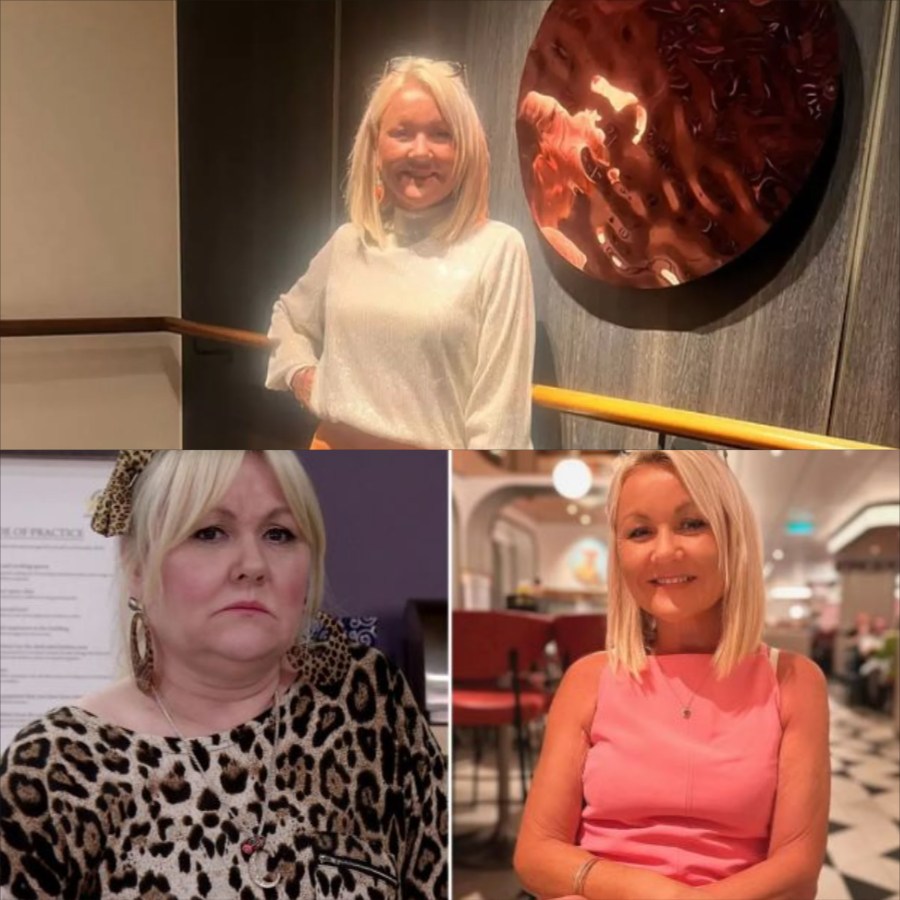
Lisa George, a Coronation Street actress, confesses to undergoing cosmetic procedures not for beauty enhancement but because she believes they have negatively impacted her appearance. – film.purextop.com
Coronation Street Star Lisa George Admits to Having Cosmetic Surgery – But Not to Look Prettier: ‘She Ruined My Face, and I’m Going Public with Everything’
Lisa George, known for her role on the iconic British soap opera Coronation Street, has recently made headlines not just for her acting but for her candid revelations about cosmetic surgery. In a brave move, the actress has decided to share her personal journey with cosmetic procedures, emphasizing that her motivations were far from the conventional desire to enhance beauty. Instead, Lisa’s experience has been a complex narrative of self-acceptance, personal struggle, and the quest for healing.
The Real Story Behind Lisa George’s Cosmetic Surgery

In a world where beauty standards often dictate personal choices, Lisa George’s story stands out as a testament to the importance of authenticity. While many may assume that cosmetic surgery is primarily about looking better, Lisa’s experience tells a different tale. She openly admits that her decision to undergo surgery was not driven by a desire to conform to societal beauty ideals, but rather to address issues that had significantly impacted her self-esteem and mental health.
Lisa’s journey began with a series of surgeries that she hoped would help her feel more comfortable in her own skin. However, the results were not what she had envisioned. In her own words, she describes how the procedures left her feeling as though “she ruined my face.” This statement reflects the emotional turmoil that can accompany cosmetic surgery, especially when expectations do not align with reality.
The actress has bravely decided to go public with her story, not only to share her experience but also to encourage others who may be facing similar struggles. By shedding light on the darker side of cosmetic surgery, Lisa aims to foster a conversation about the importance of mental health and self-acceptance in a society that often prioritizes physical appearance.
Understanding the Impact of Cosmetic Surgery on Mental Health

The relationship between cosmetic surgery and mental health is a complex one. For many individuals, the decision to undergo surgery stems from deep-seated insecurities and societal pressures. While some may find confidence and satisfaction in their new appearance, others, like Lisa, may experience feelings of regret and disappointment.
Lisa George’s candidness about her experience provides valuable insights into the psychological effects of cosmetic procedures. She emphasizes that the decision to alter one’s appearance should never be taken lightly. The emotional fallout from surgery can be profound, leading to feelings of inadequacy and self-doubt if the results do not meet expectations.
Moreover, Lisa’s story highlights the importance of seeking professional guidance before undergoing any cosmetic procedure. Consulting with qualified professionals can help individuals better understand the potential risks and outcomes, allowing them to make informed decisions about their bodies and mental well-being.
In her quest for healing, Lisa has also turned to therapy and support groups, recognizing that addressing the emotional aspects of her experience is just as crucial as any physical changes. By sharing her journey, she hopes to inspire others to prioritize their mental health and seek help when needed.
Empowering Others Through Vulnerability

Lisa George’s decision to go public with her story is not just about her own healing; it’s about empowering others to embrace their vulnerabilities. In a world where social media often portrays an unrealistic image of beauty, Lisa’s honesty serves as a reminder that everyone has their struggles, and it’s okay to seek help.
By sharing her experiences, Lisa encourages individuals to reflect on their motivations for considering cosmetic surgery. Are they driven by external pressures or a desire for self-improvement? Understanding the underlying reasons can lead to healthier choices and a more positive relationship with one’s body.
Furthermore, Lisa’s story emphasizes the importance of community and support. She encourages those who may be struggling with similar issues to reach out, whether it’s to friends, family, or professional counselors. The journey to self-acceptance is often challenging, but it can be made easier with the right support system in place.
Conclusion

Lisa George’s journey through cosmetic surgery is a powerful reminder of the complexities surrounding beauty, self-acceptance, and mental health. By sharing her story, she not only sheds light on the potential pitfalls of cosmetic procedures but also empowers others to embrace their true selves. If you or someone you know is considering cosmetic surgery, take a moment to reflect on your motivations and seek guidance from professionals. Remember, the journey to self-acceptance is ongoing, and it’s never too late to prioritize your mental well-being. Embrace your uniqueness and seek support when needed—you’re not alone in this journey.


